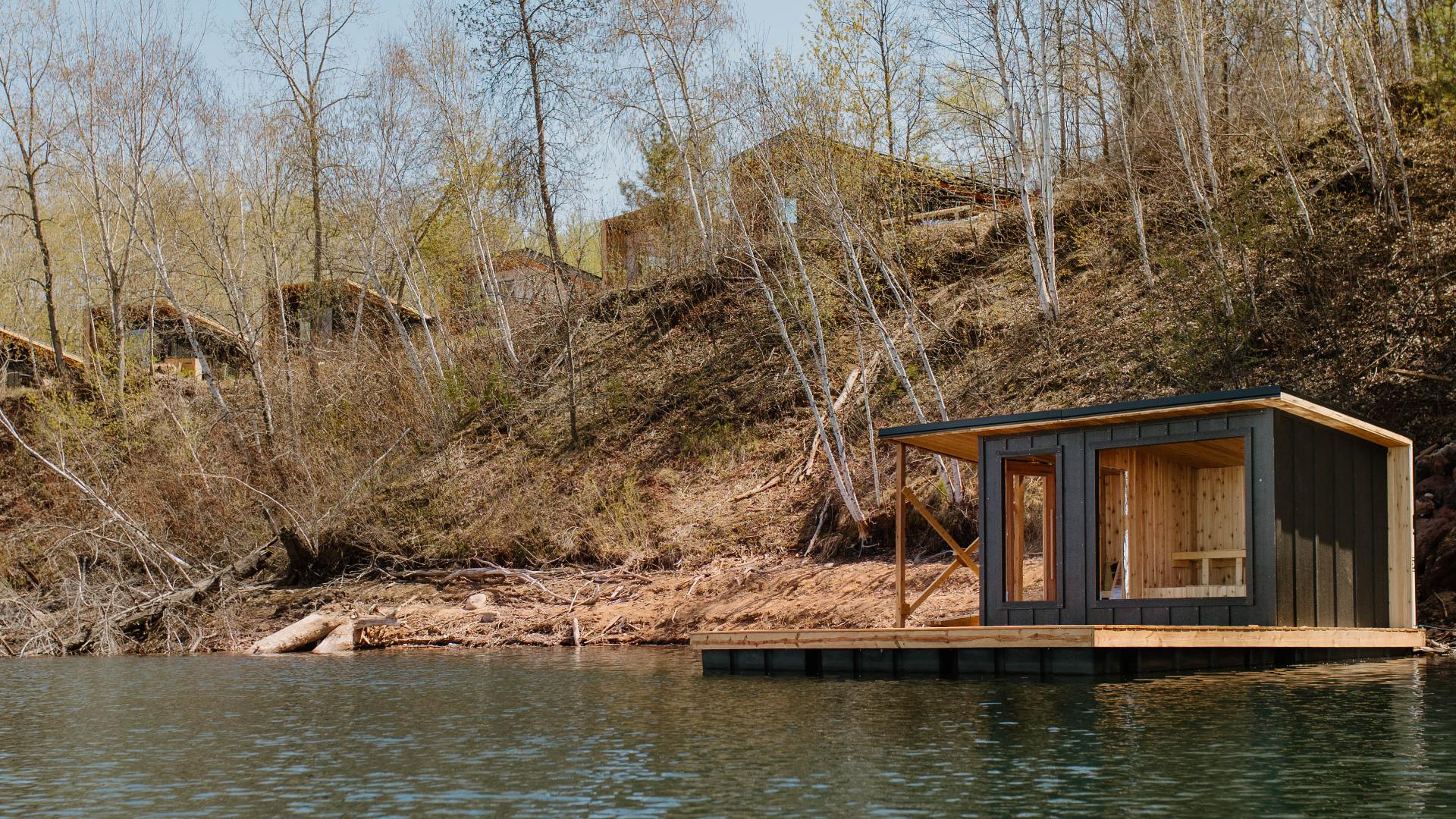
The Rise of Floating Sauna Architecture: An American Renaissance
The global sauna culture is undergoing a dramatic evolution. While private backyard saunas continue their rapid residential ascent, a bold architectural phenomenon is captivating outdoor enthusiasts across the United States: floating saunas.
Originating in the deep archipelago traditions of Finland, Sweden, and Estonia, floating saunas combine traditional thermal bathing with immediate, unfiltered access to natural bodies of water. Today, from Minnesota’s 10,000 lakes to the fjords of Washington State and the rocky coastlines of Maine, these aquatic wellness sanctuaries are establishing a new benchmark in experiential architecture.
Waterfront Wellness: Brainerd Lakes Area and Beyond
A prime example of this movement is taking root in Minnesota’s renowned Brainerd Lakes Area. Here, custom floating saunas anchored in secluded coves offer guests an intimate front-row seat to pine-fringed shorelines, soaring loons, and dramatic northern sunsets.
Bathers stoke high-efficiency Finnish wood stoves, ladling cold lake water over hot stones to create dense clouds of löyly. Between rounds, they open the sauna door and step directly onto the floating swim platform, plunging directly into the pristine, refreshing lake.
Why Waterfront Sauna Immersion Resonates Today
1. Unrivaled Nature Immersion: Traditional saunas with small windows often feel insular. A floating sauna surrounded by panoramic double-glazed bronze glass dissolves the barrier between interior warmth and the wild aquatic landscape.
2. Social Bonding & Slow Living: The gentle rocking of the water, absence of digital screens, and shared warmth foster deep conversation and mindfulness.
3. Instant Cold-Plunge Contrast: Instead of relying on artificial ice baths or cold showers, bathers have an entire natural lake or river at their disposal for immediate contrast therapy.
Marine Engineering: Buoyancy, Timber & Fire Safety
Building a floating sauna requires uncompromising engineering discipline. Moisture, thermal swings, and wave motion demand specialized materials.
Marine-Grade Flotation: Structural frames are supported by welded marine-grade 5052 aluminum pontoons or foam-filled polyethylene floats designed to carry several tons of timber, stone stoves, and bathers without listing.
Thermally Modified Timber: Exterior claddings and interior staves rely on thermally modified wood (Thermo-Aspen, Thermo-Pine) which exhibits up to 50% less dimensional movement and zero resin leakage under humid marine conditions.
Certified Wood-Burning Stoves: Fire safety demands double-walled stainless-steel chimney systems, protective non-combustible floor pads, and strict setback clearances from timber walls.
The Ultimate All-Season Cold Plunge: Summer Swims to Winter Avanto
While summer sessions provide idyllic sun-drenched swims, floating saunas truly come alive during late autumn and sub-zero winter months. In northern regions, operators maintain cut-out ice holes (known in Finland as avanto) directly off the rear swim ladder.
Stepping from a 90°C cedar hot room into 1°C icy lake water triggers an unmatched adrenaline and endorphin surge that bathers describe as an ecstatic, life-affirming sensory awakening.
The Future of Floating Saunas in North America
As travelers and homeowners prioritize regenerative health and connection with nature, floating saunas are rapidly transitioning from niche novelty to permanent waterfront fixtures. They demonstrate the enduring brilliance of Nordic sauna design: simple, honest materials placed in direct communion with the elemental forces of water, fire, and air.
Frequently Asked Questions
Expert insights addressing common homeowner and architect inquiries.

Noah
AuthorEditorial contributor exploring sauna architectural design, outdoor wellness layouts, and Nordic timber craft.